
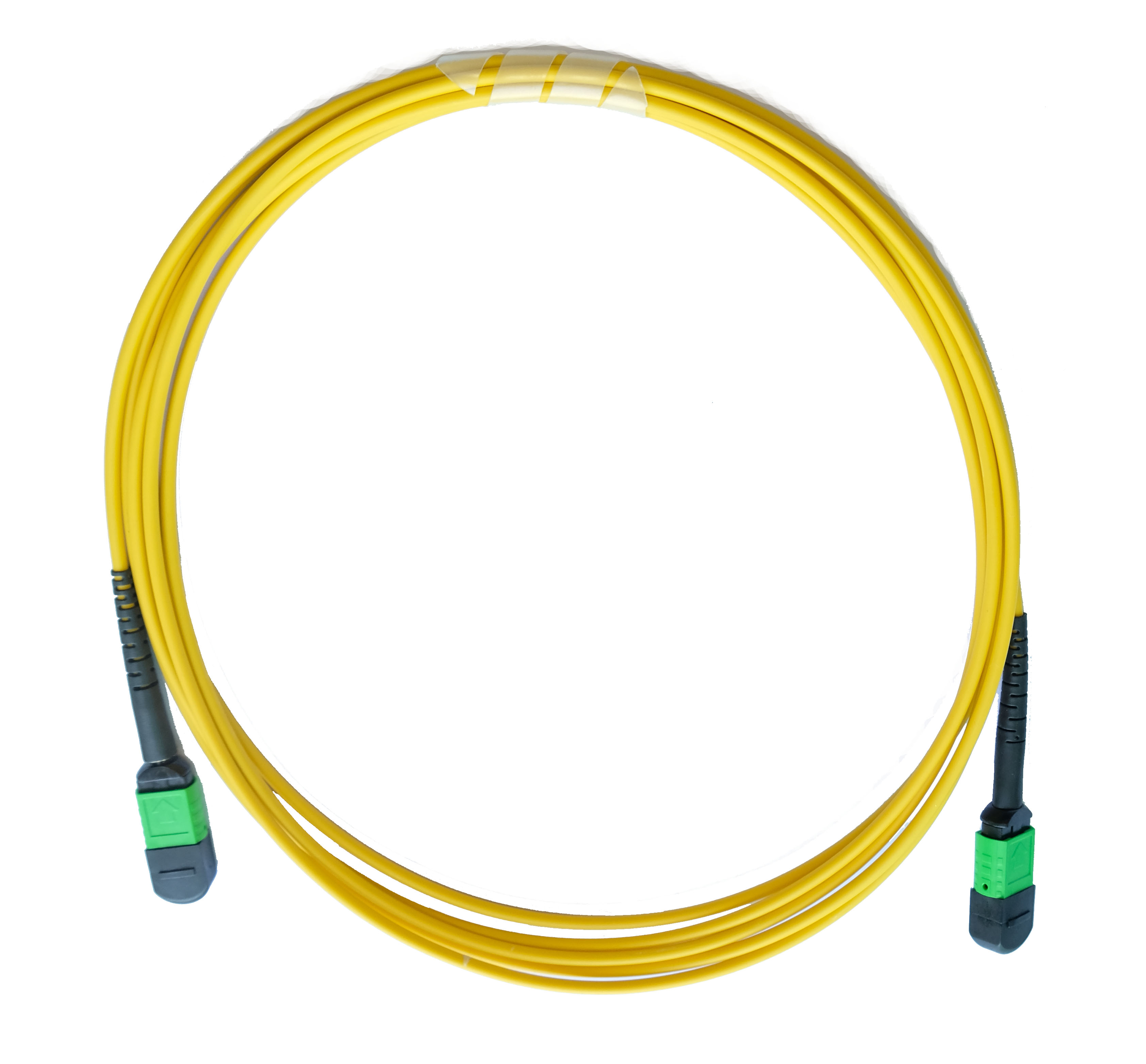
MPO 12F APC (Female) to MPO 12F APC (Female) OS2 type B patch cables
Quantity :
1. Product Overview
The MPO-12 APC to MPO-12 APC OS2 Single Mode Patch Cable is designed for high-density fiber connectivity in data centers and telecommunications environments. This "Type B" (Cross-over) polarity cable is specifically used to connect two active devices (such as 40G/100G transceivers) or to link high-speed backbone trunking.
2. Technical Specifications
| Parameter | Specification |
| Connector A | MPO-12 Female (Non-Pinned) |
| Connector B | MPO-12 Female (Non-Pinned) |
| Fiber Count | 12 Fibers |
| Fiber Mode | OS2 Single Mode 9/125μm |
| Polish Type | APC (Angled Physical Contact) to APC |
| Polarity | Type B (Crossover / Key-up to Key-up) |
| Insertion Loss | ≤ 0.35 dB (Low Loss) |
| Return Loss | ≥ 60 dB (APC) |
| Wavelength | 1310nm / 1550nm |
| Jacket Material | LSZH (Low Smoke Zero Halogen) |
| Cable Diameter | 3.0mm |
| Color | Yellow (Standard for OS2) |
| Operating Temp |
-20°C to +70°C |
3. Key Features
-
High-Density Connectivity: 12 fibers in a single compact MPO connector, significantly reducing cable bulk.
-
APC Polish: The 8-degree angled polish ensures superior return loss performance, minimizing back-reflection for sensitive single-mode lasers.
-
Type B Polarity: Designed for direct connection between high-speed transceivers (e.g., QSFP+ to QSFP+).
-
LSZH Jacket: Environmentally friendly material that emits low smoke and zero toxic halogen gases in the event of fire.
-
Plug & Play: Factory-terminated and tested for immediate deployment and reliability.
4. Product Applications
A. Data Center High-Speed Networking
Specifically used for interconnecting 40G QSFP+ PLR4 or 100G QSFP28 PSM4 transceivers. The Type B polarity ensures that the transmit (Tx) fiber at one end matches the receive (Rx) fiber at the other.
B. Backbone Trunking
Ideal for connecting MPO cassettes in high-density fiber distribution frames (FDF), allowing for rapid scaling of network infrastructure without the need for individual fiber splicing.
C. Enterprise Campus Networks
Used in single-mode backbone cabling between server rooms and distribution switches to support long-distance, high-bandwidth communication.
D. Telecommunications Central Offices
Suitable for high-speed optical cross-connects and high-density fiber management systems where space is at a premium.
-
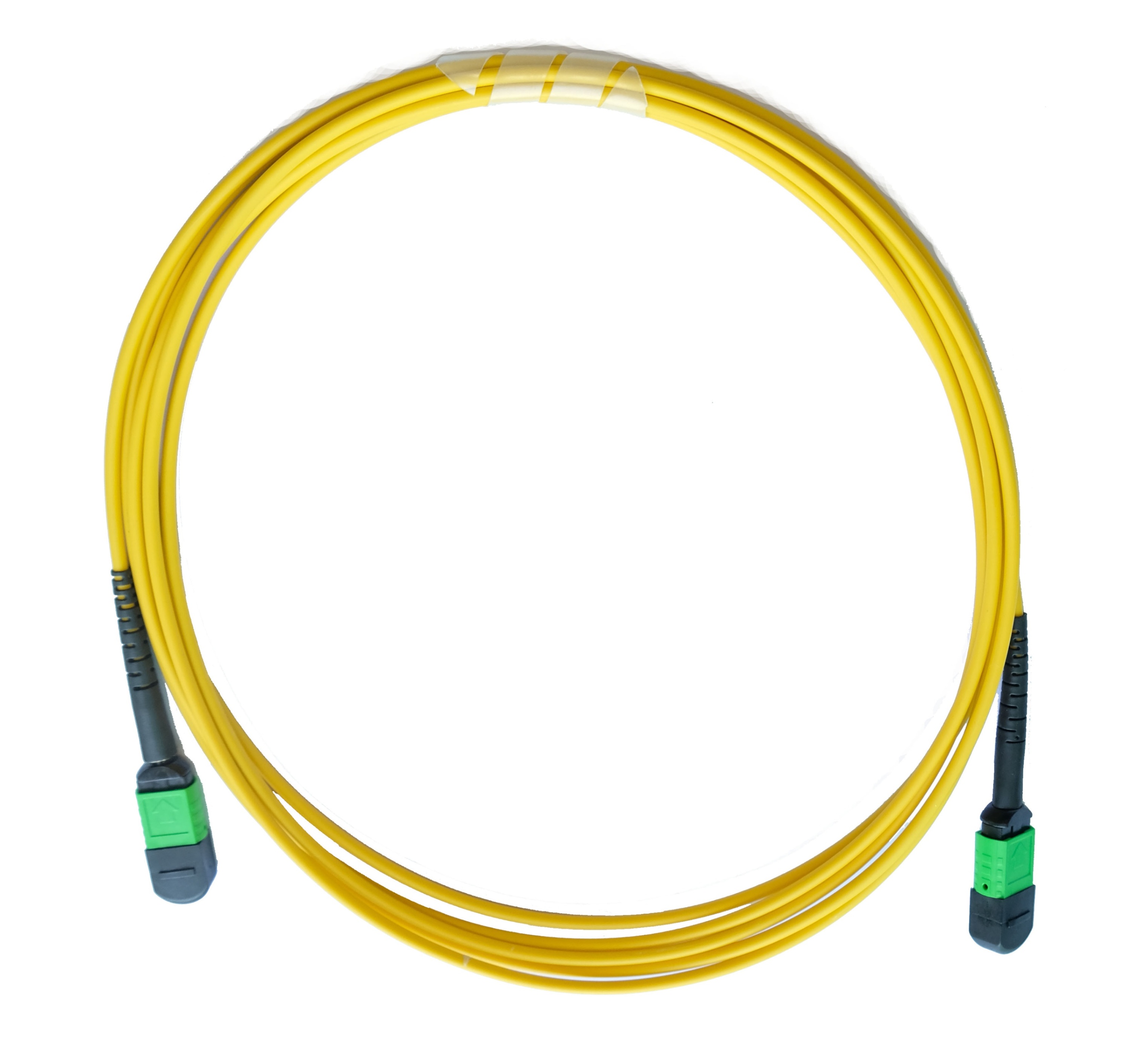 MPO-16 to MPO-16 OS2 SMF Patch Cable | 400G/800G Connectivity$24.24 - $42.28
 -
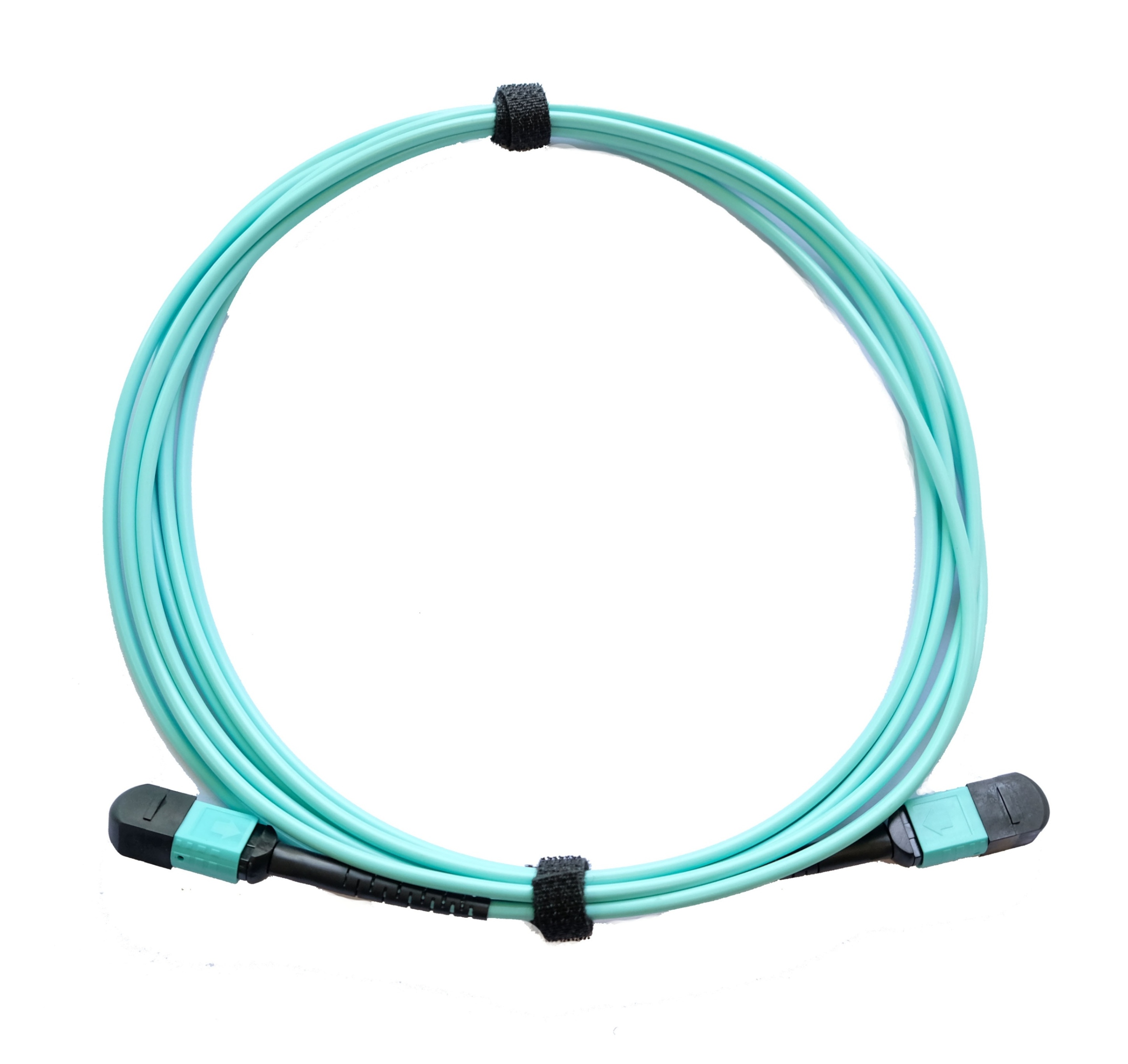 OM4 MMF AQUAHigh-performance MPO-16 to MPO-16 OM4 Multimode Fiber Patch Cord$17.70 - $126.30
 -
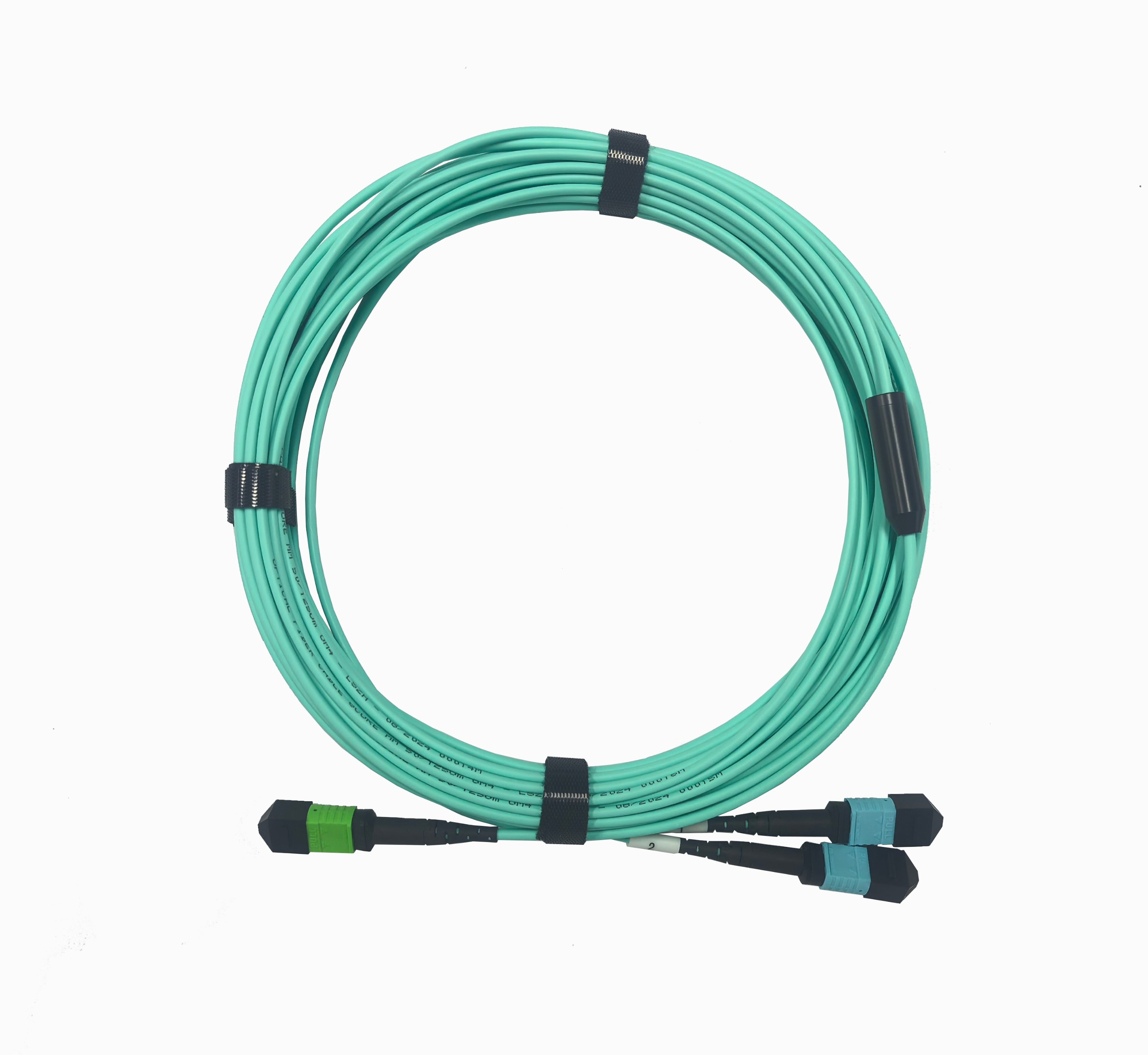 MPO16 APC/UPC-2*MPO APC/UPC Female LL Cables, OM4, MMF, 8-core Breakout Cable$20.80 - $84.35
 -
 Cat6 28AWG Ethernet cable, Cat6 slim cable, high-speed internet cable, PS4 LAN cable, Xbox network cable, RJ45 patch cord, slim Cat6 vs 24AWG$1.75 - $12.58
 -
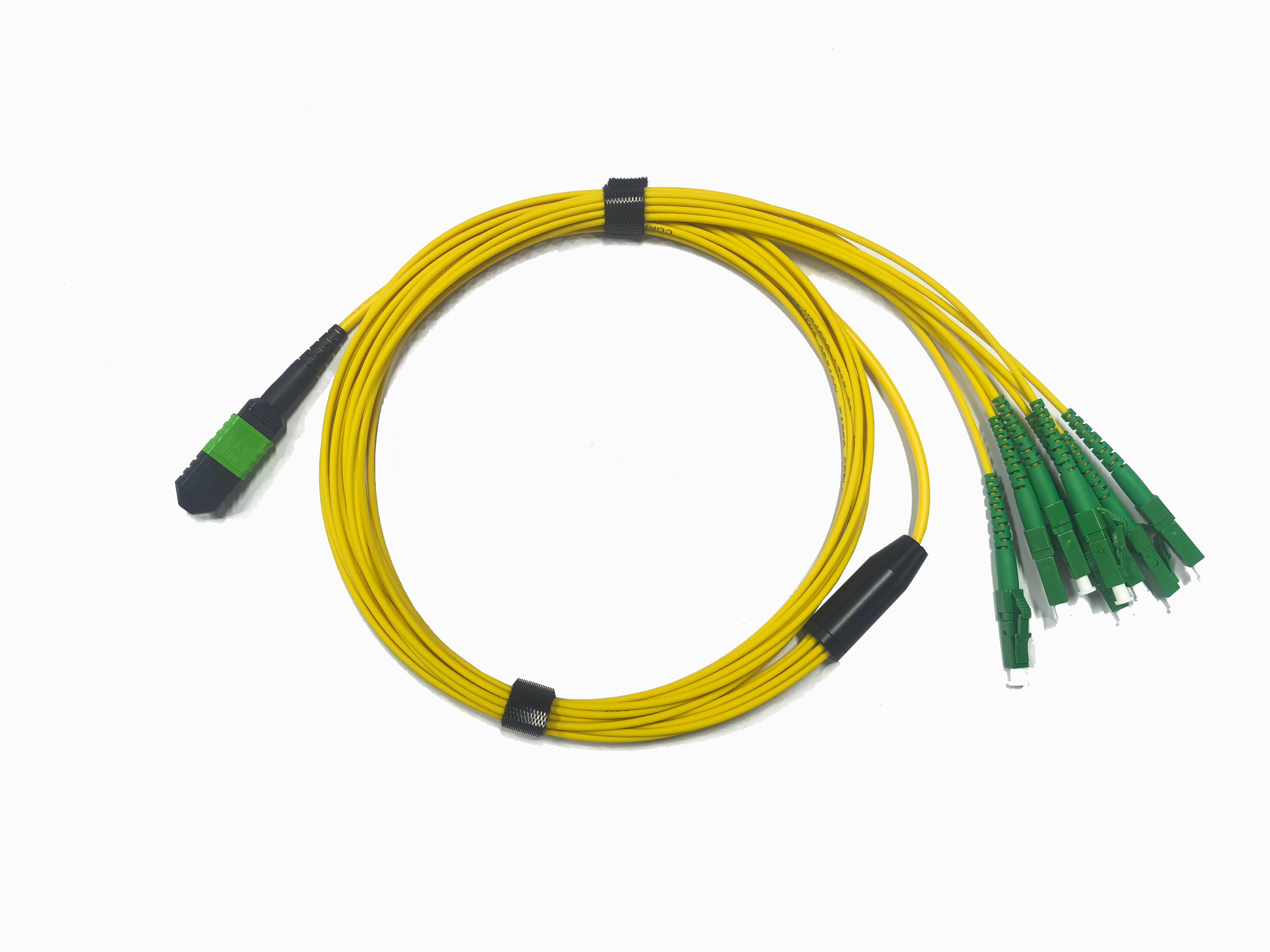 MTP/MPO to LC/APC 8-Fiber Breakout Cable | OS2 Single Mode Harness$14.47 - $21.09
 -
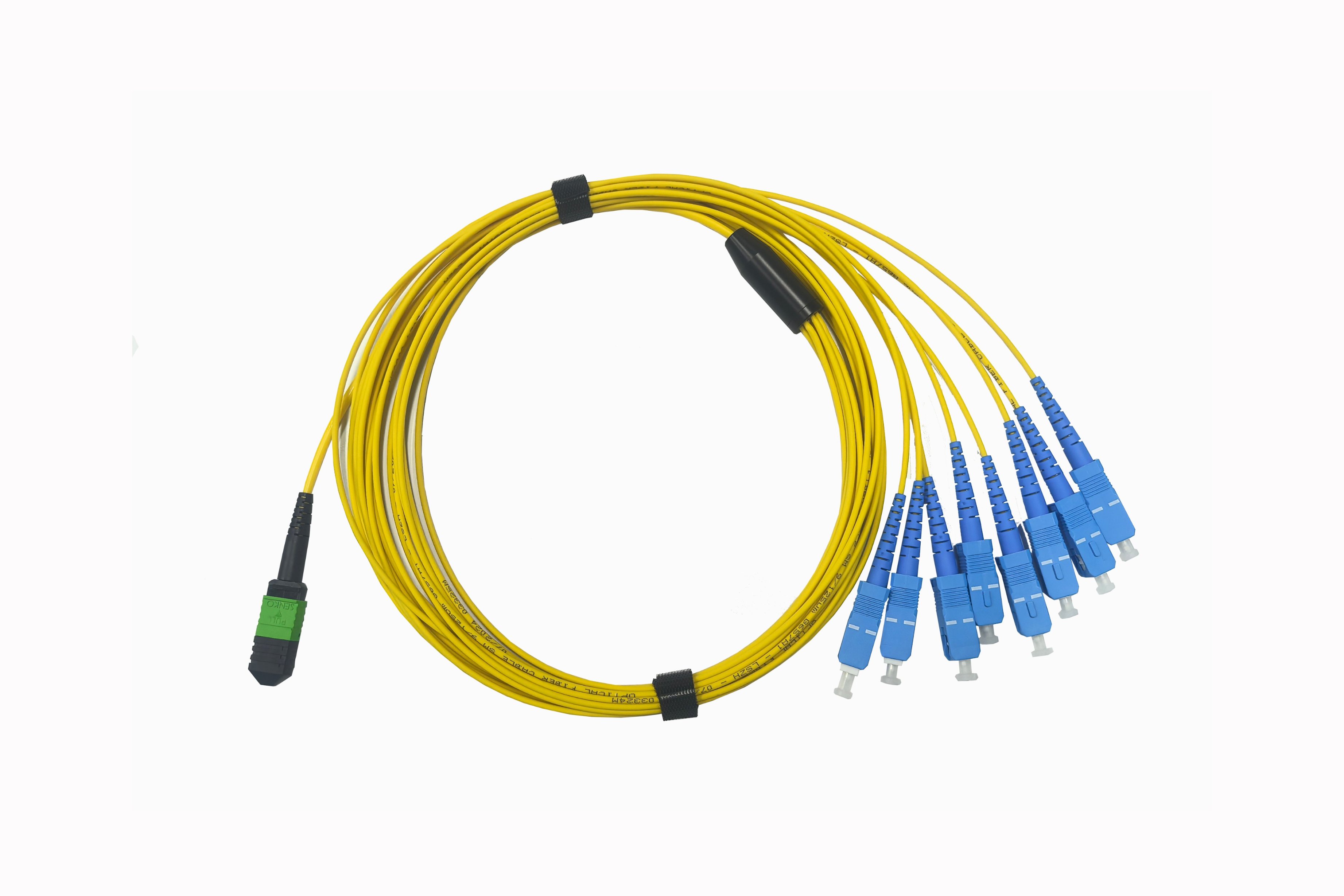 MPO to 8 x SC/UPC Breakout Cable | OS2 Single Mode Fan-out Patch Cord$14.47 - $17.66
 -
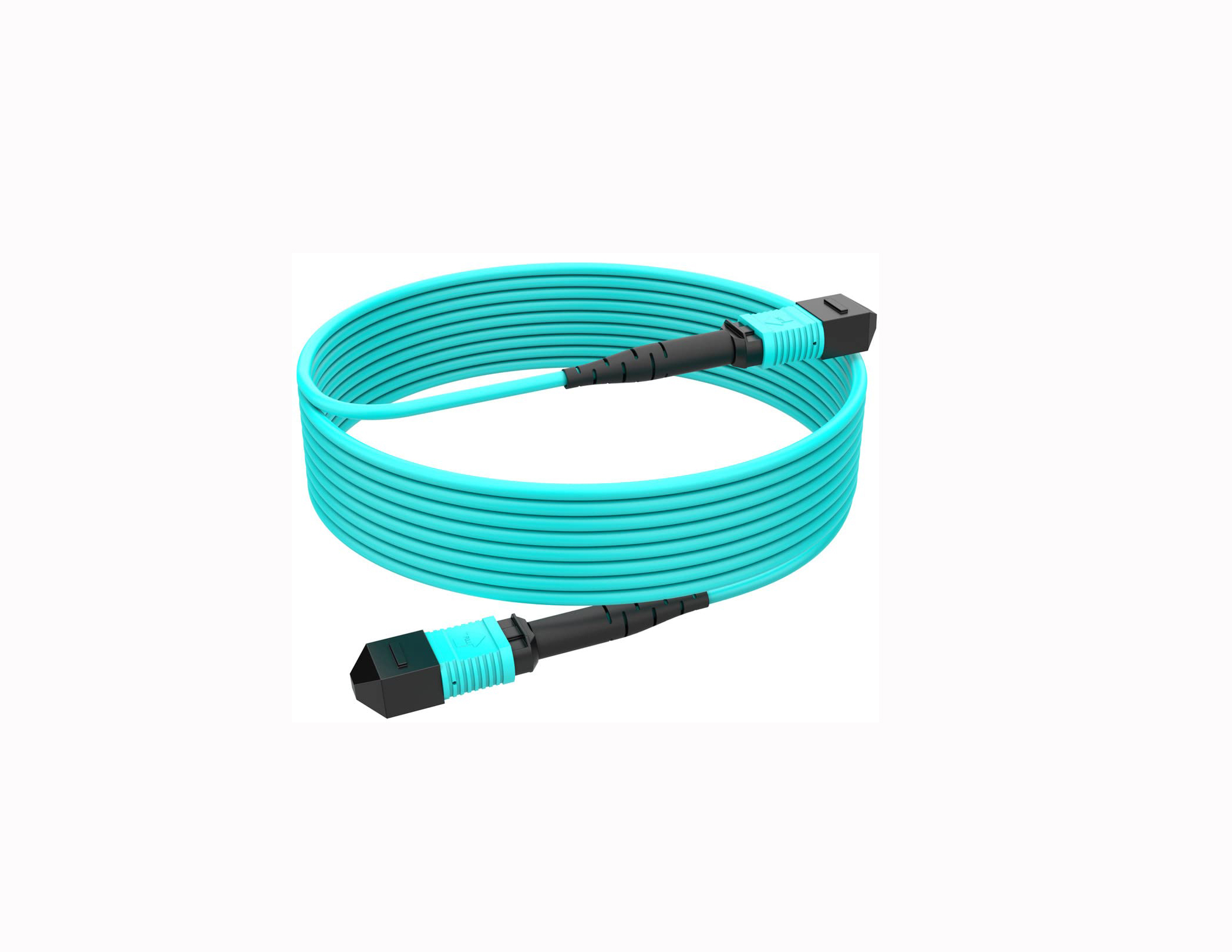 OM4 MMF AQUAMPO/MTP-MPO/MTP OM4 Mutil-Mode Fiber Patch Cord,12-core, LSZH Jacket,Aqua,Female,type B$11.38 - $96.35
 -
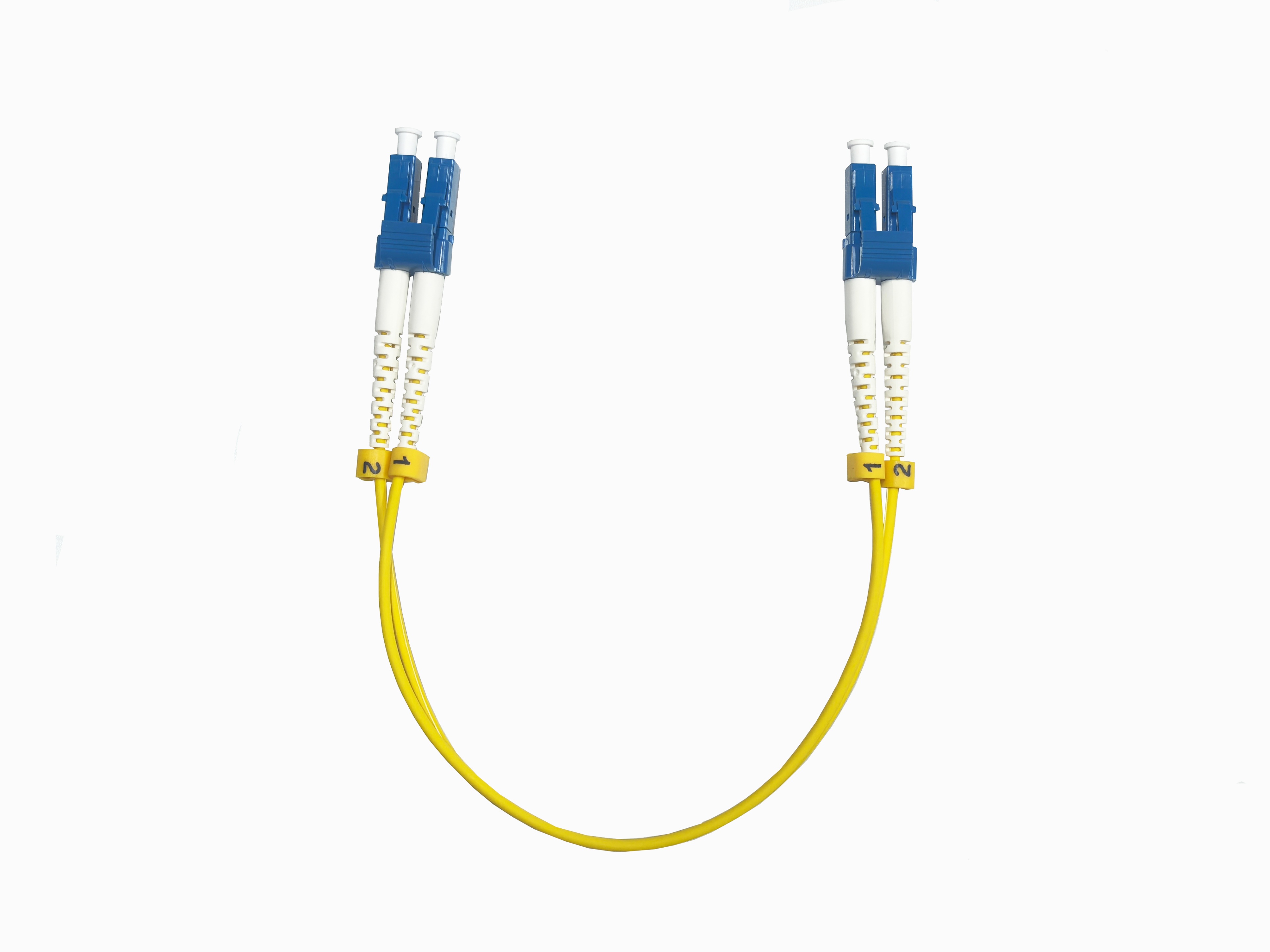 Duplex LC/UPC to Duplex LC/UPC Patch cord,OS2 SM Fiber,LSZH Yellow 2mm Cable$2.96 - $4.54