
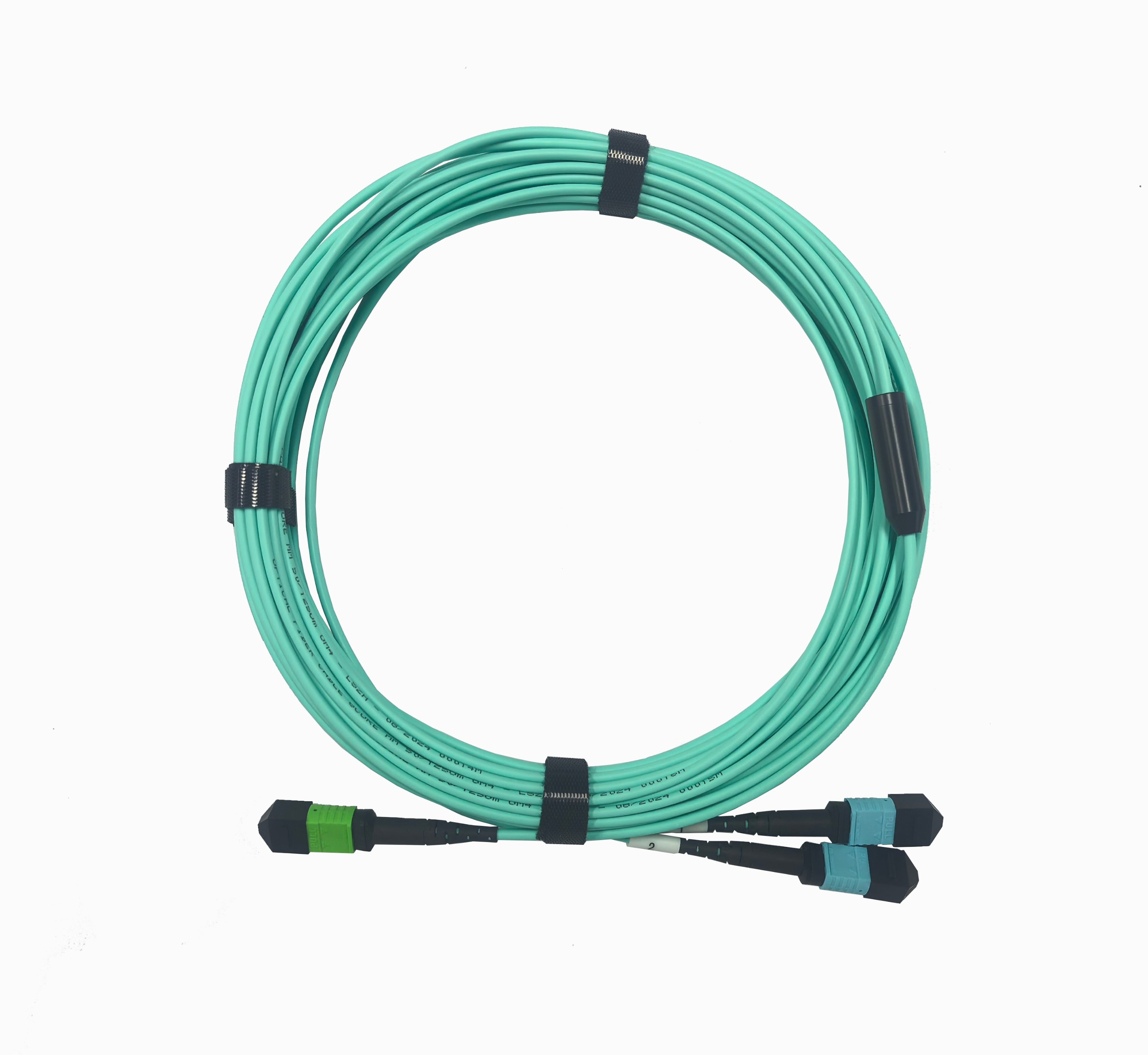
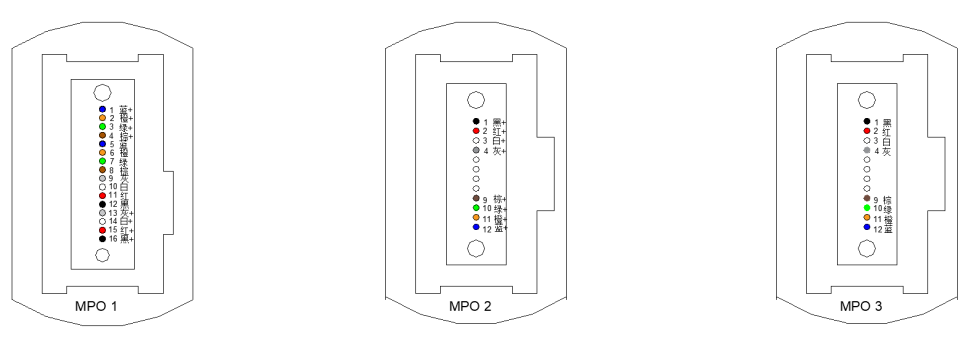
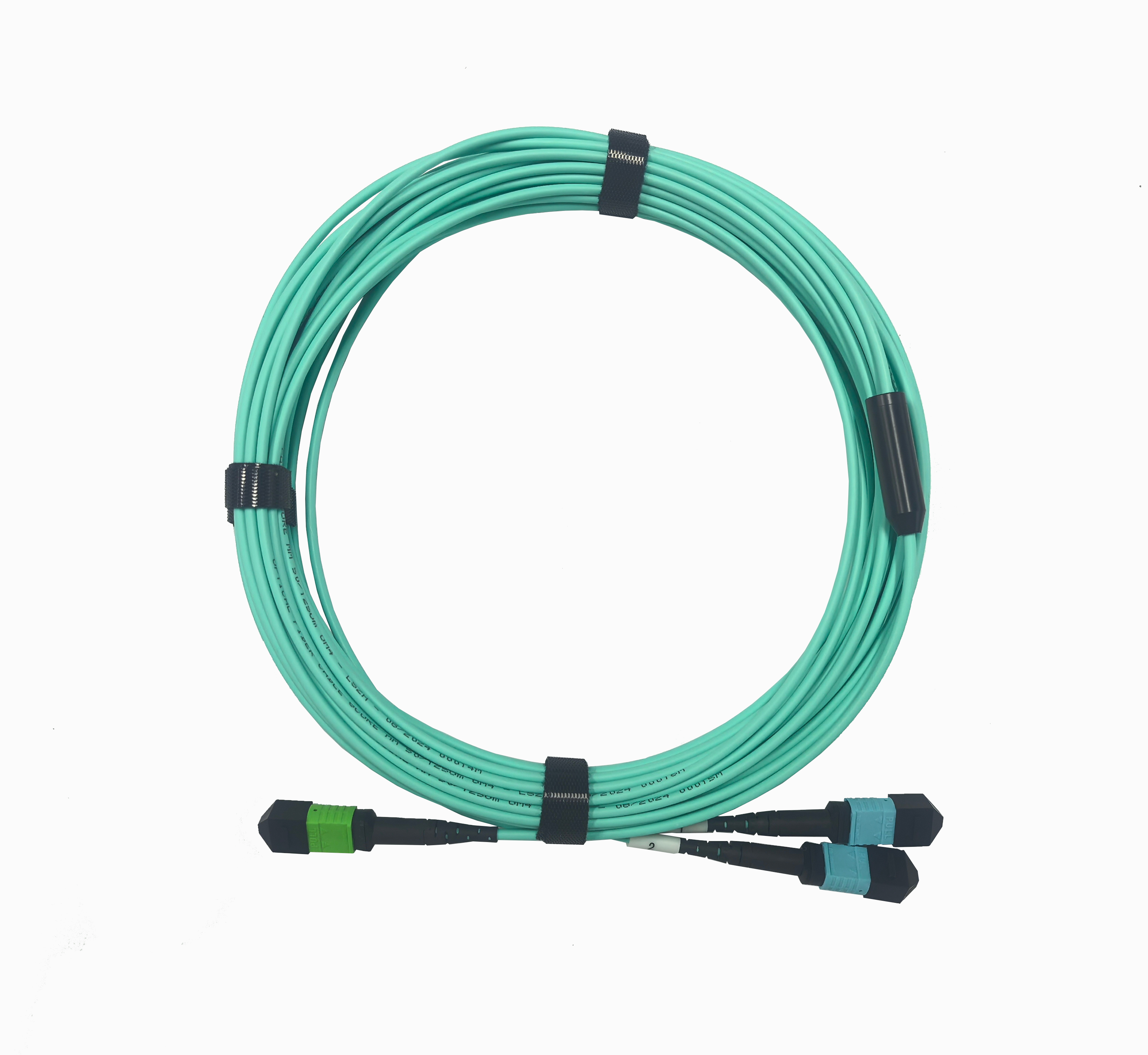
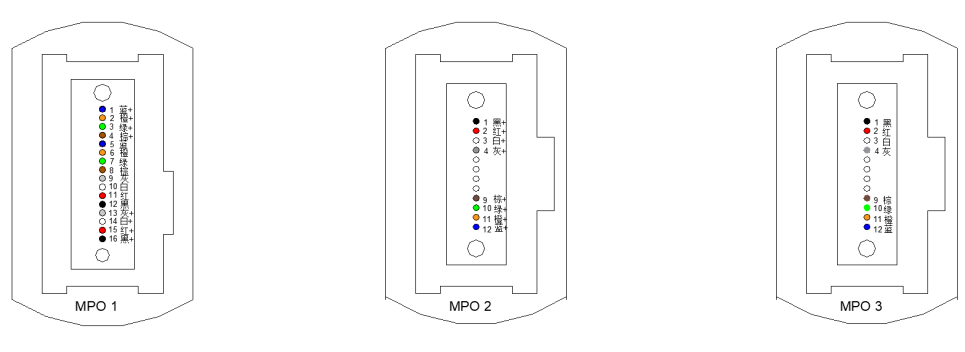
MPO16 APC/UPC-2*MPO APC/UPC Female LL Cables, OM4, MMF, 8-core Breakout Cable
Quantity :
1. Product Overview
The MPO16 to 2x MPO (8-Core utilized) OM4 Multimode Breakout Cable is a high-density assembly that transitions a single MPO-16 interface into two separate MPO branches. This cable is critical for breaking out 400G/800G signals (utilizing 16 fibers) into two 4-channel (8-fiber) links. Featuring Elite Low Loss (LL) connectors and laser-optimized OM4 fiber, it meets the stringent power budget requirements of PAM4 signaling.
2. General Specifications
| Item | Specification |
| Connector A | 1 x MPO-16 (Female, Unpinned) |
| Connector B | 2 x MPO-12 or MPO-8 (Female, Unpinned) |
| Fiber Mode | Multimode OM4 50/125μm |
| Fiber Count | 16 Cores (8 Cores per branch) |
| Polish Type | APC (8°) or UPC (Flat) |
| Polarity | Method B (Standard for 400G) or Custom |
| Jacket Material | LSZH (Low Smoke Zero Halogen) / OFNP (Plenum) |
| Jacket Color | Erika Violet (Standard OM4) |
| Connector Performance | Elite / Low Loss (LL) |
| Standards | TIA-604-18 (FOCIS 18), IEC 61754-7-2, RoHS |
3. Optical Performance
| Parameter | MPO-16 / MPO-8 (Elite/Low Loss) |
| Insertion Loss (IL) | ≤ 0.35 dB (Max) / 0.25 dB (Typical) |
| Return Loss (RL) | ≥ 20 dB (UPC) / ≥ 45 dB (APC) |
| Test Wavelength | 850nm / 1300nm |
| Bandwidth (EMB) | 4700 MHz·km @ 850nm |
4. Mechanical Characteristics
-
Operating Temperature: -20°C to +70°C
-
Storage Temperature: -40°C to +85°C
-
Tensile Strength: 100N (Short-term)
-
Minimum Bend Radius: 7.5mm (Bend-Insensitive OM4)
-
Durability: >500 mating cycles
Product Applications
The MPO-16 to 2x MPO breakout cable is a strategic asset for next-generation network scaling:
1. 400G/800G to 2x 200G/400G Breakout
This is the primary application for the MPO-16 interface. A single 400G-SR8 or 800G-SR8 transceiver uses 16 fibers (8 transmit, 8 receive). This cable allows that high-capacity port to be split into two separate MPO-based channels, enabling the connection of one core switch port to two secondary switches or high-speed AI accelerators.
2. High-Density AI Cluster Connectivity
Artificial Intelligence (AI) and Machine Learning (ML) workloads require massive parallel throughput. By using MPO-16 trunks and branching out to MPO-8/12 interfaces at the server level, data centers can achieve the extreme density required for GPU-to-GPU communication while maintaining a clean, manageable cabling plant.
3. Transitioning to 16-Fiber Architecture
As industry standards move from 12-fiber to 16-fiber layouts for higher bandwidth, this cable acts as the essential bridge. It allows organizations to adopt the latest MPO-16 transceivers while still utilizing their existing MPO-8/12 patch panels or distribution hardware.
4. Maximizing Port Utilization in Spine-Leaf Fabrics
In a Spine-Leaf architecture, the 16-core breakout maximizes the "fan-out" capability of the spine switch. It effectively doubles the number of leaf switches that can be served by a single spine port, reducing the total hardware footprint and overall cost per port.
5. Low-Loss Performance for PAM4 Signaling
Modern 400G/800G networks use PAM4 modulation, which is highly sensitive to signal degradation. The Elite Low Loss (LL) connectors on this cable are non-negotiable; they provide the necessary optical margin to ensure low Bit Error Rates (BER) and high link reliability across multiple patch points.
Professional Recommendation:
When deploying MPO-16 systems, ensure that the APC (Angled Physical Contact) polish is used if your transceivers require it to minimize back-reflection. Using an incorrect polish type can lead to permanent damage to the transceiver's internal laser.
-
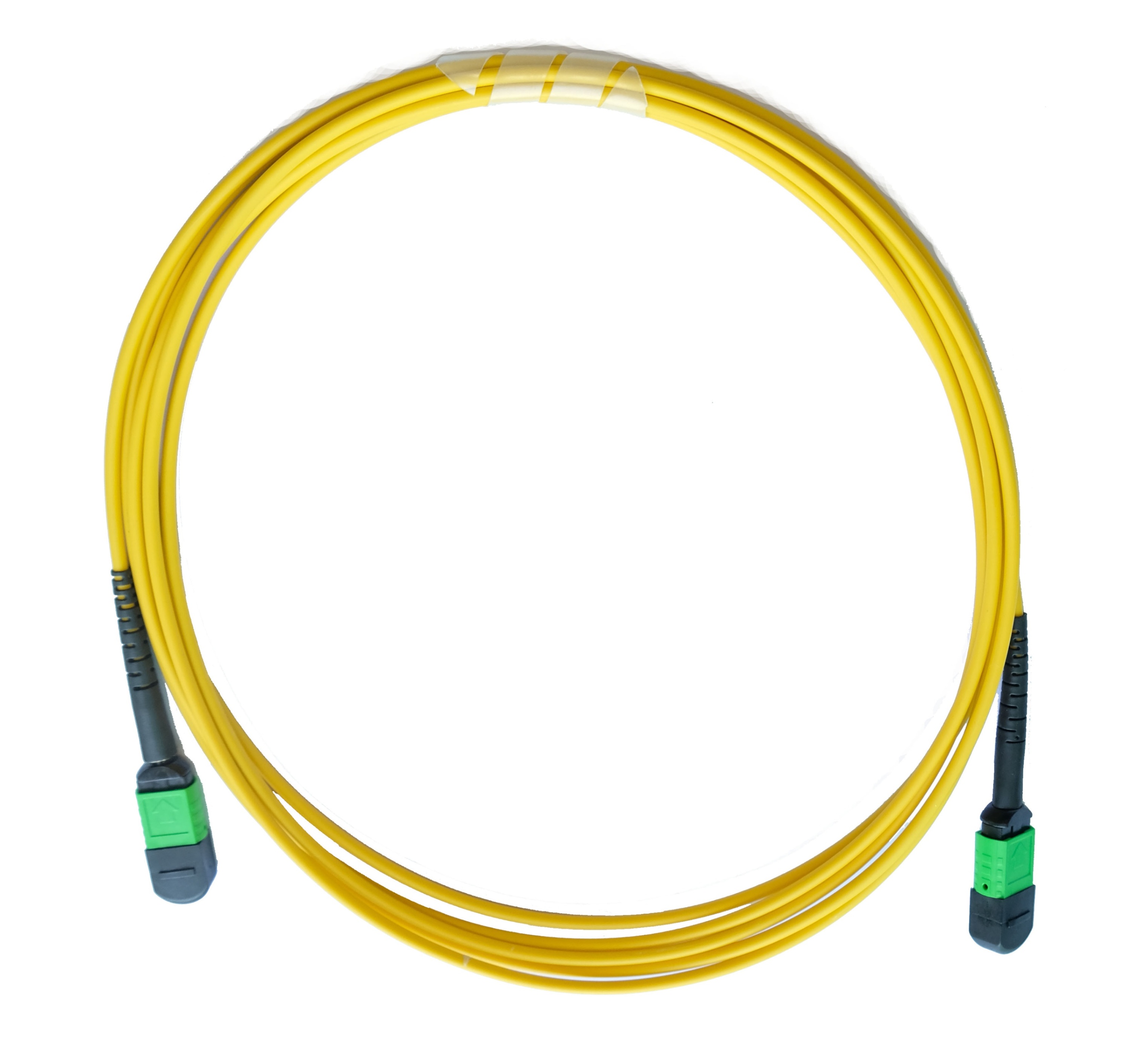 MPO 12F APC (Female) to MPO 12F APC (Female) OS2 type B patch cables$0.00
 -
MPO-16 to MPO-16 OS2 SMF Patch Cable | 400G/800G Connectivity$24.24 - $42.28
-
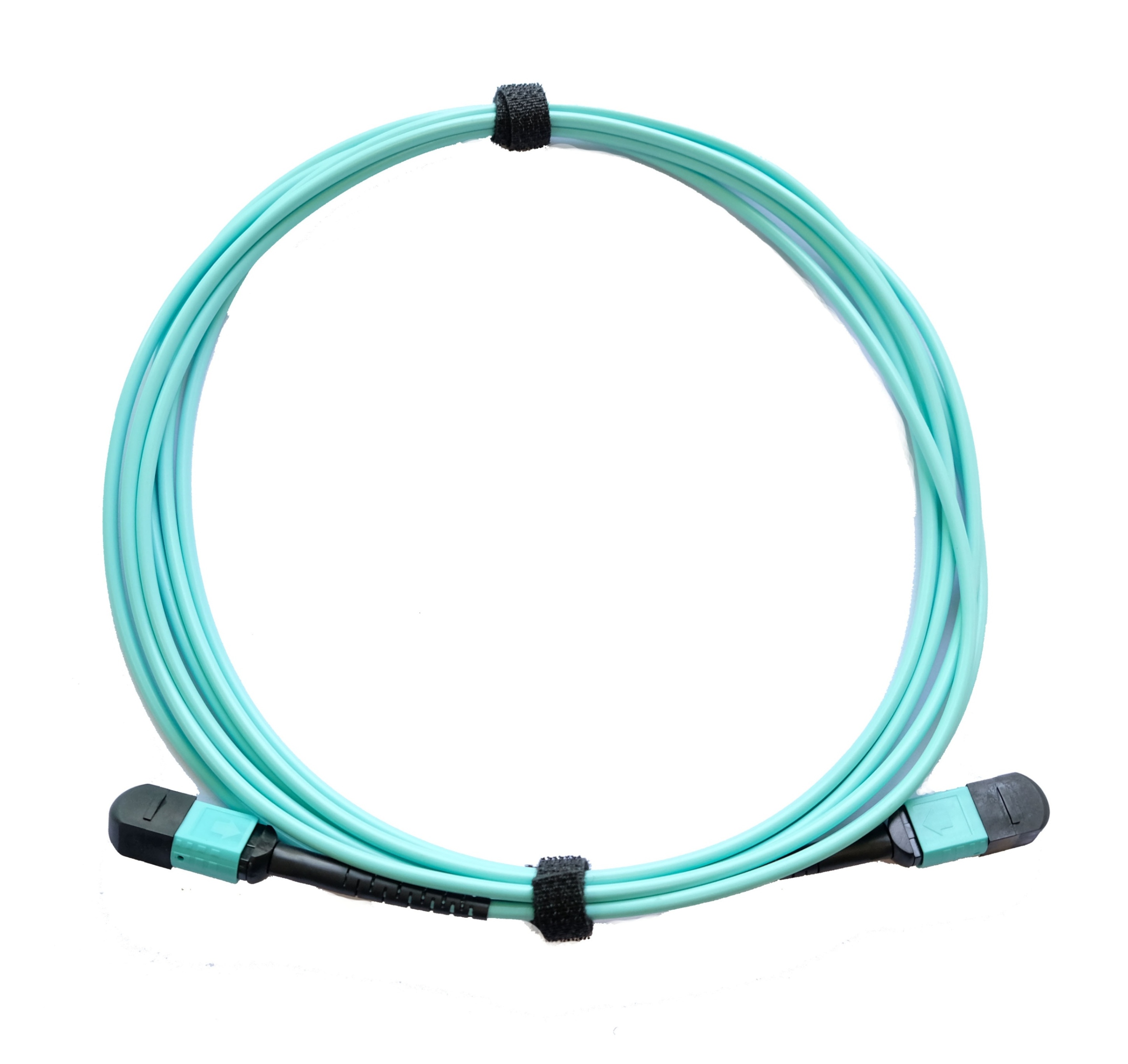 OM4 MMF AQUAHigh-performance MPO-16 to MPO-16 OM4 Multimode Fiber Patch Cord$17.70 - $126.30
 -
 Cat6 28AWG Ethernet cable, Cat6 slim cable, high-speed internet cable, PS4 LAN cable, Xbox network cable, RJ45 patch cord, slim Cat6 vs 24AWG$1.75 - $12.58
 -
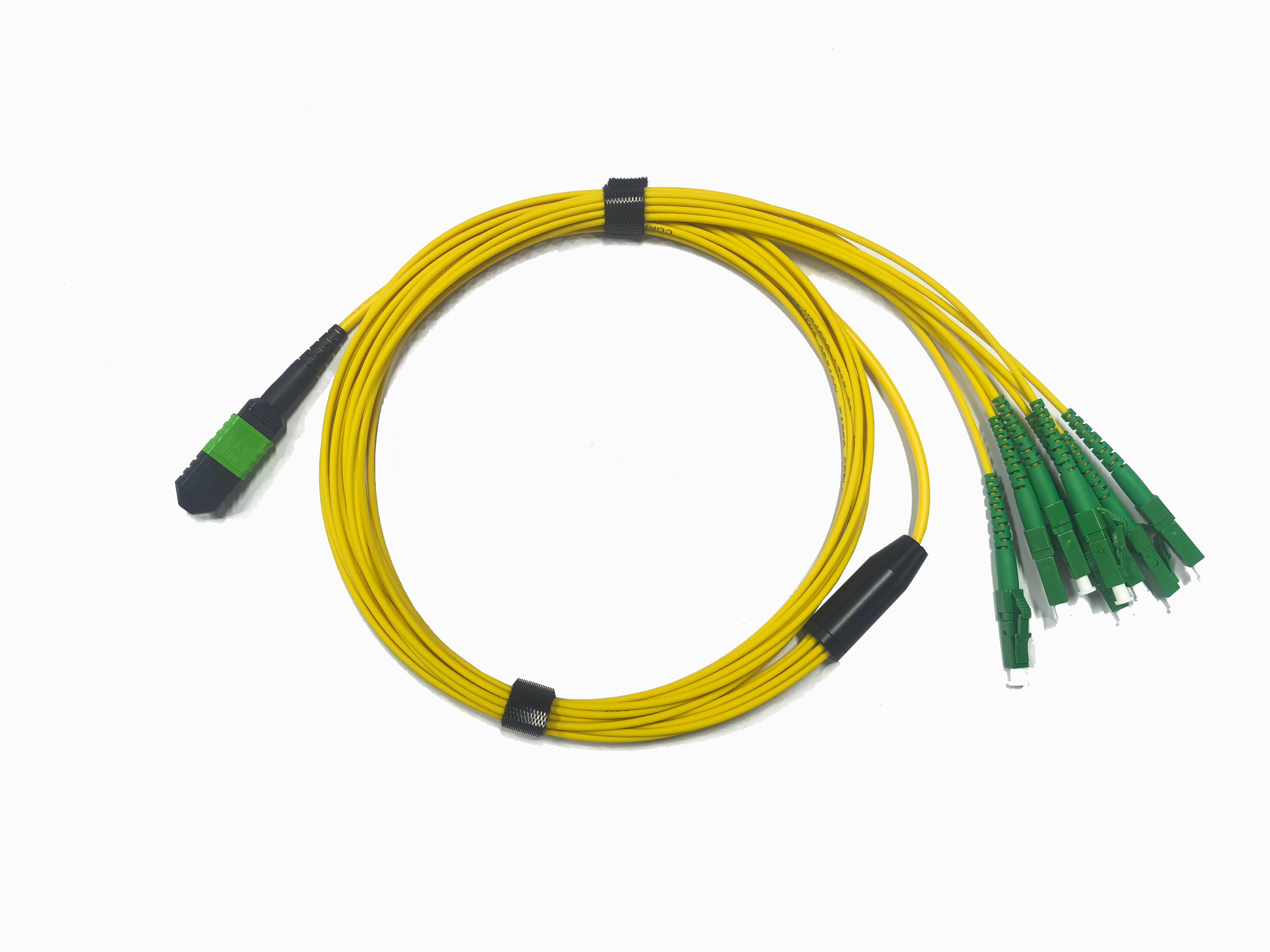 MTP/MPO to LC/APC 8-Fiber Breakout Cable | OS2 Single Mode Harness$14.47 - $21.09
 -
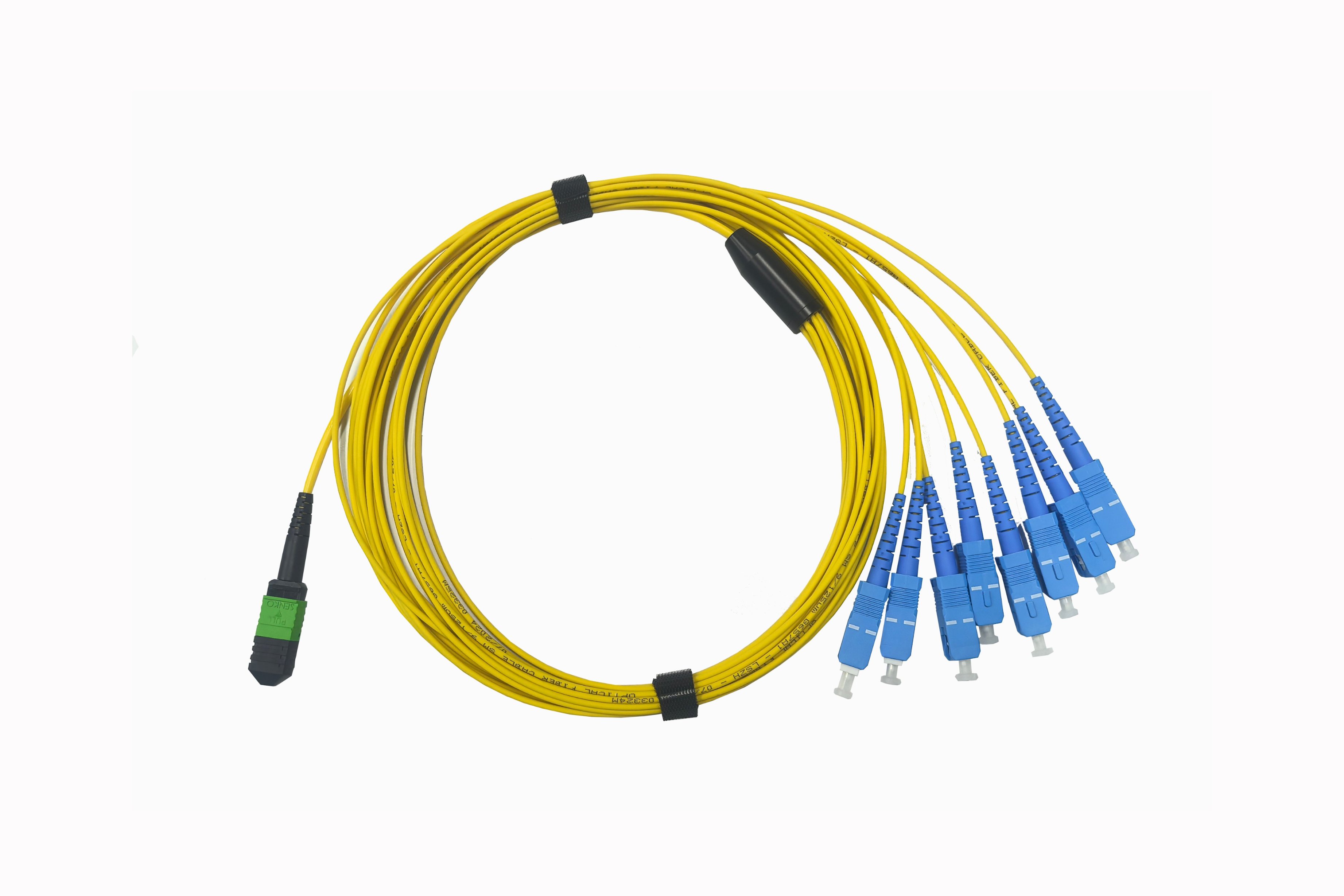 MPO to 8 x SC/UPC Breakout Cable | OS2 Single Mode Fan-out Patch Cord$14.47 - $17.66
 -
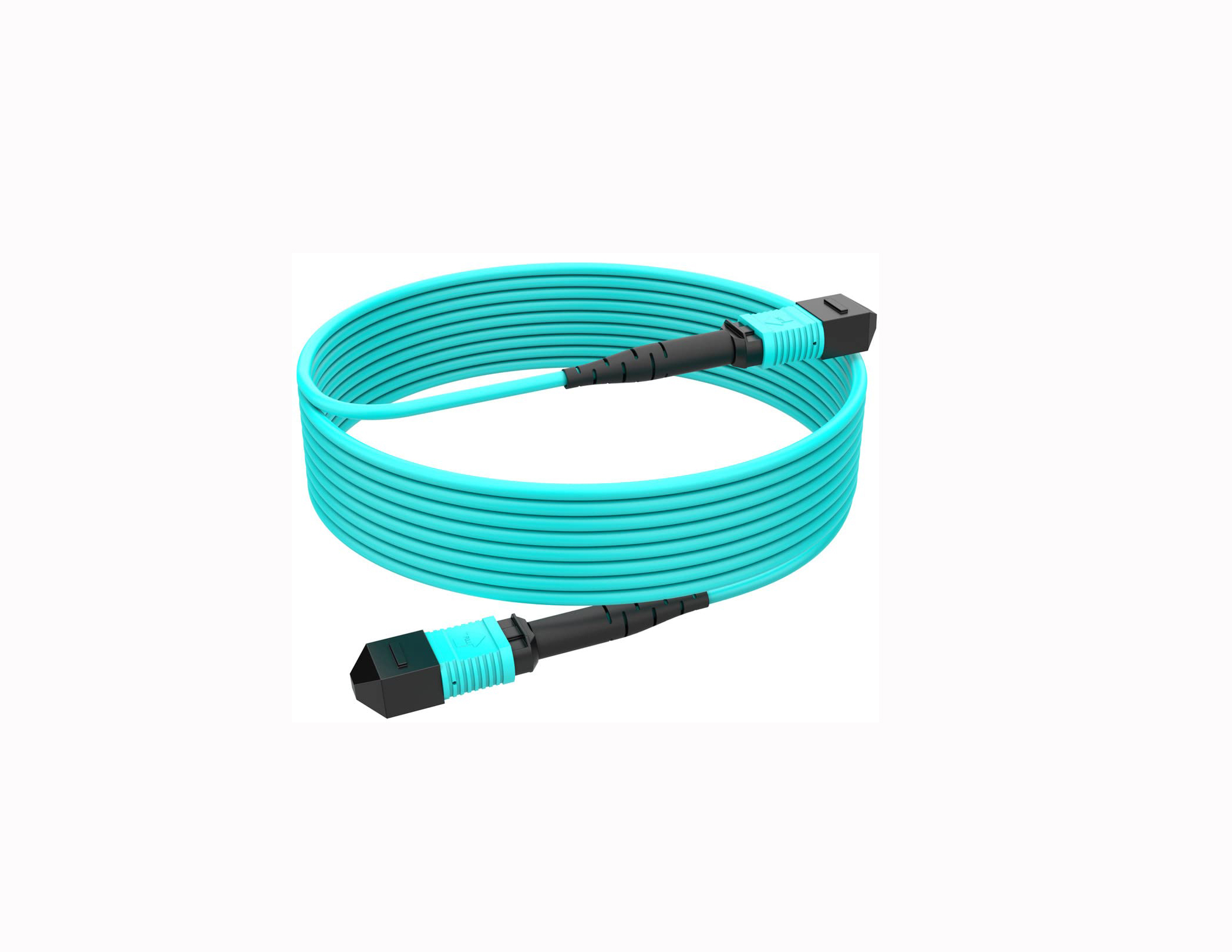 OM4 MMF AQUAMPO/MTP-MPO/MTP OM4 Mutil-Mode Fiber Patch Cord,12-core, LSZH Jacket,Aqua,Female,type B$11.38 - $96.35
 -
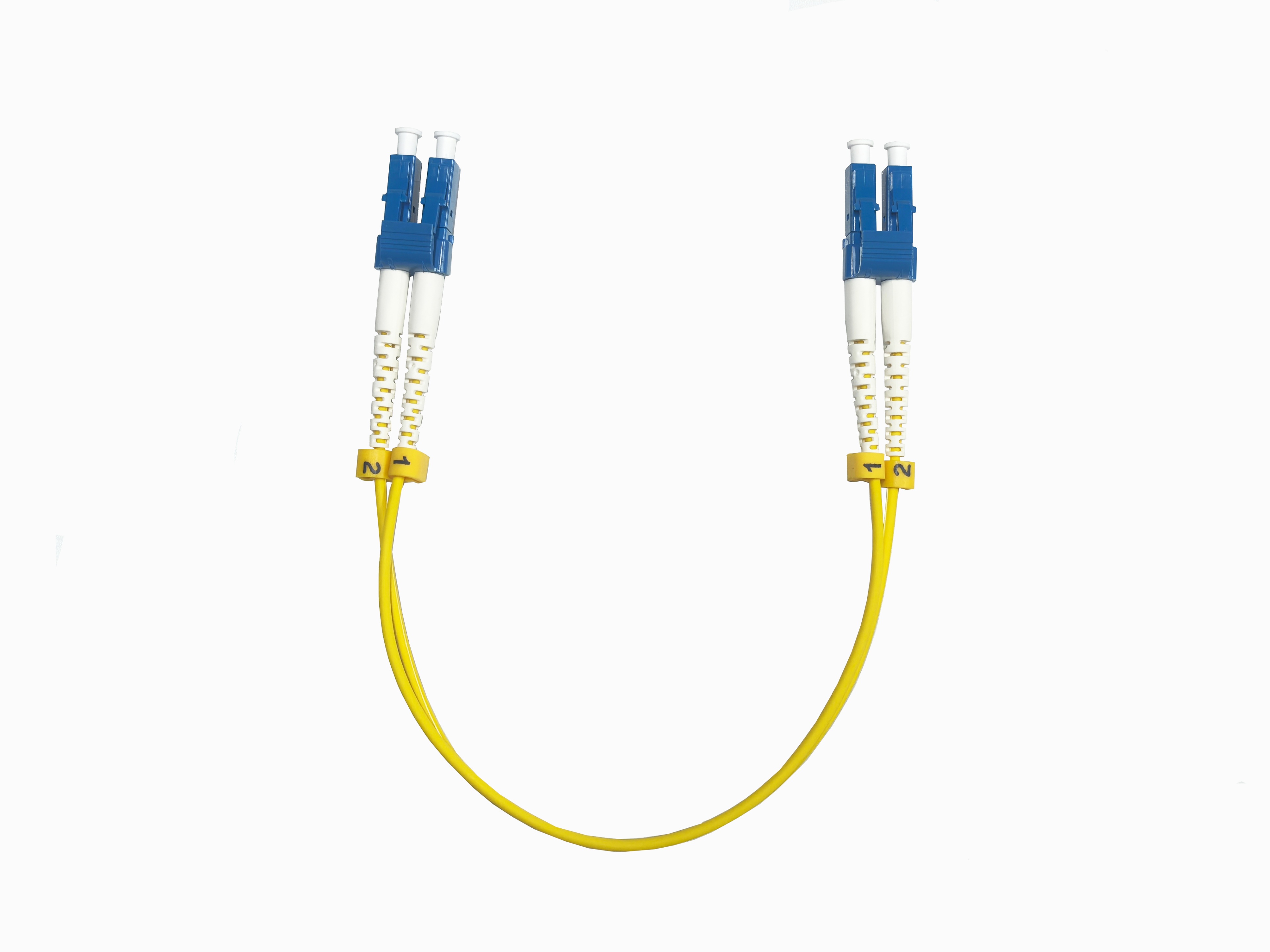 Duplex LC/UPC to Duplex LC/UPC Patch cord,OS2 SM Fiber,LSZH Yellow 2mm Cable$2.96 - $4.54